How Do You Start Trading Memecoins as a Beginner in 2026
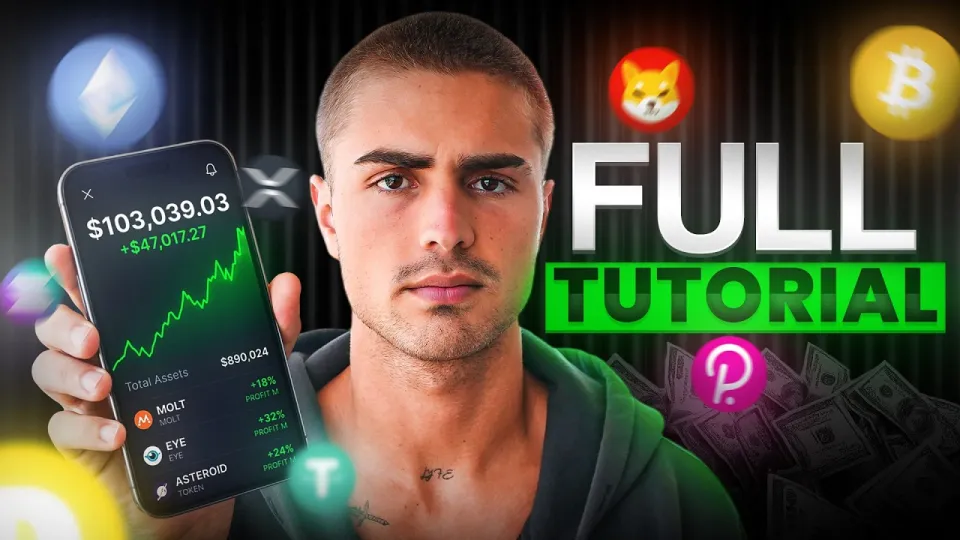
Video: How To Start Trading Memecoins As A Beginner In 2026
You can order the same kind of articles for your own video to boost it on YouTube and Google. Just message the Telegram bot @sat_sit_bot. It writes articles around your video, embeds the video and publishes them on popular niche websites (no ads). Free trial — 50 articles.
· based on the channel TJR
Key takeaways
- Memecoins trade 24/7 on Solana, Base, Ethereum, and BNB Chain, with Solana and Base dominating new launches in 2026.
- The core toolkit is a fast trading terminal (Axiom, Fomo), a wallet tracker (Cielo), and a social tracker (J7Tracker).
- Position sizing matters more than entry: risking 1–3% of your bankroll per trade keeps you alive through losing streaks.
- Rug pulls and insider dumps are the default outcome for most new tokens — verify liquidity, holder concentration, and social history before buying.
- Profit-taking rules (selling 25–50% into strength) beat trying to time the exact top of a memecoin run.
Memecoin trading for beginners in 2026 means treating it as a high-risk, fast-moving niche of crypto: you open a wallet, fund it on a chain like Solana or Base, connect to a trading terminal such as Fomo or Axiom, and only risk a small, fixed slice of your bankroll on tokens you have screened for liquidity, holder distribution, and social traction. You will lose money on most trades — the winners have to be bigger than the losers, and that only happens if your position sizing and exit rules are decided before you click buy. The rest of this guide breaks that process into concrete steps you can run this week.
Why memecoins behave differently from Bitcoin or Ethereum
Memecoins are narrative-driven tokens with no cash flow, no product, and often no team that stays around — their price is a function of attention, liquidity, and the speed at which insiders exit. That makes them structurally different from large-cap crypto: a Bitcoin drawdown unfolds over weeks, while a memecoin can lose 90% of its value in under ten minutes when the deployer and early snipers dump into retail buyers. Because there is no earnings or roadmap to anchor a valuation, the only edge a beginner can realistically build is speed of information, discipline in sizing, and a hard rule for taking profit. Everything else — chart patterns, indicators, "community strength" — is secondary to who is holding the supply and whether they are about to sell.
Step 1: Set up a wallet and fund it on the right chain
You need a self-custody wallet before you can trade anything, and in 2026 the choice of chain determines which tokens you can even access. Solana remains the default venue for new memecoin launches because fees are fractions of a cent and confirmation times are near-instant; Base has grown into a strong second, especially for tokens tied to social platforms; Ethereum and BNB Chain still host launches but with higher gas costs that eat into small positions. Create a fresh wallet used only for memecoins, separate from your long-term holdings, and fund it with an amount you are genuinely prepared to lose entirely. Never connect a wallet that holds savings to an unverified token contract or an unknown airdrop site — wallet drainers are the single most common way beginners lose funds before they even make a trade.
Step 2: Choose a trading terminal and a tracker stack
A trading terminal is what turns a token contract address into a buy or sell order with slippage, priority fees, and MEV protection settings. Terminals like Axiom and Fomo are built for this: you paste a contract address, see liquidity and recent trades, set your slippage tolerance (typically 1–5% on Solana, higher on thin tokens), and execute. Around the terminal, you want two more layers of information: a wallet tracker such as Cielo, which lets you follow the on-chain activity of profitable traders and see when they buy or sell, and a social tracker such as J7Tracker, which surfaces which tokens are being discussed by accounts with a real following rather than bot farms. The combination matters because on-chain data tells you what smart money is doing, and social data tells you where attention is about to flow — a token with both is far more interesting than one with only a Telegram group.
Step 3: Screen a token before you buy it
Screening is a checklist, not a vibe, and skipping it is how most beginners get rugged. Before entering any position, verify these points:
- Liquidity. Check the size of the liquidity pool relative to the market cap. A token with $2M market cap and $8k of liquidity will collapse on your own sell order.
- Holder concentration. If the top 10 wallets control more than 20–30% of supply, one of them selling can end the run. Look for a distribution that is spread out, and check whether the deployer still holds a large bag.
- Contract safety. Confirm liquidity is locked or burned and that the contract has no mint or freeze authority that lets the creator print more tokens or block sells.
- Age and chart structure. A token that already did a 50x and is down 80% from its high is a different bet than a fresh launch — know which one you are buying.
- Social footprint. Real communities have messy, organic discussion; fake ones have identical comments posted by accounts created the same week.
If any of these checks fails, the correct action is to skip the trade. There is always another token.
Step 4: Size positions so a losing streak cannot end you
Position sizing is the single most important skill in memecoin trading, because the win rate on these tokens is genuinely low and the losers frequently go to zero. A workable framework for a beginner is to risk no more than 1–3% of your total memecoin bankroll on any single trade, and to cap the number of open positions so you can actually monitor them — three to five is realistic, twenty is not. If your bankroll is $1,000, that means $10–$30 per trade, which will feel small; it is supposed to. The purpose of small size is to keep you in the game long enough to learn how these markets move, and to make the inevitable string of losses survivable. Traders who put 30–50% of their capital into one token are not taking a position, they are gambling on a single outcome they cannot control.
Step 5: Have an exit plan before you enter
Exits are where memecoin traders either lock in gains or give them all back, and the plan has to exist before the buy. A common approach is to sell a portion — say 25–50% — once the position doubles, which returns your initial capital and leaves the rest as a free bet, then trail the remainder with a stop or sell into obvious strength. Decide in advance what invalidates your thesis: a large holder wallet moving tokens to an exchange, liquidity being pulled, or the social narrative going quiet are all reasons to exit regardless of price. Avoid the trap of holding for a specific multiple like 100x, because the tokens that reach it are rare and the ones that look like they might usually reverse first.
Common beginner questions and mistakes
Most of the doubts beginners raise about memecoins come down to the same handful of issues, and they are worth addressing directly. The first is the expectation of consistent profitability: it is not typical, and most participants lose money over time, which is exactly why position sizing and small size matter. The second is trusting a single influencer or paid group — a promotional video, even a well-made one, is not a strategy, and the person promoting a platform may have incentives that do not match yours. The third is chasing tokens after they have already run, which means buying from the people who entered earlier and are now selling to you. The fourth is failing to separate memecoin speculation from long-term investing: money you need in the next year should not be in a token that can go to zero overnight. Treat memecoin trading as a speculative side activity with a strict budget, not as a replacement for income.
Useful links
- Fomo trading terminal — https://fomo.family/r/tjr
- Axiom trading terminal — https://axiom.trade/@tjrtrader
- J7Tracker social tracker — https://j7tracker.io/
- Cielo wallet tracker — https://cielo.finance/
The bottom line for new memecoin traders
Starting to trade memecoins as a beginner comes down to infrastructure, screening, and discipline rather than secret signals: a dedicated wallet on the right chain, a fast terminal, trackers for on-chain and social data, a pre-written checklist for every token, and position sizes small enough that no single loss changes your life. The TJR breakdown of this process is useful precisely because it shows the tooling and the workflow rather than promising outcomes — the results depend entirely on how consistently you apply the rules. Expect most trades to fail, plan your exits before you enter, and treat every dollar in the memecoin wallet as money you have already accepted losing. If you want to follow along with the same terminal used in the walkthrough, you can start trading on Fomo here and apply the screening and sizing rules above from your very first trade.
Questions & answers
How much money do I need to start trading memecoins?
You can start with very little, since Solana and Base transaction fees are fractions of a cent, but the amount matters less than the size of each position. A practical approach is to fund the wallet with money you can lose entirely and risk only 1–3% of that bankroll per trade. Starting with $200–$500 is enough to learn the mechanics without exposing meaningful savings.
Is consistent profitability realistic for a beginner memecoin trader?
No, not in the sense most people hope for. Memecoins are a negative-sum game for retail after fees, slippage, and insider selling, and most participants lose money over time. The realistic goal for a beginner is to survive long enough to learn, keep losses small through position sizing, and treat any profits as the exception rather than a baseline expectation.
How do I avoid getting rug pulled on a new token?
Screen every token before buying: check that liquidity is locked or burned, that the top wallets do not control a large share of supply, that the contract has no mint or freeze authority, and that the social activity looks organic rather than bot-generated. If any of those checks fails, skip the trade — there is always another token, and avoiding one bad entry is worth more than catching one good one.
Should I follow influencers or paid groups for memecoin calls?
Treat any call from a public figure or paid group as a lead to research, not a signal to execute. Promoters often have incentives — affiliate links, allocations, or positions they are already holding — that do not align with yours, and by the time a call is public, the early buyers may already be selling. Verify the token yourself using on-chain and social trackers before risking any capital.
Source: How To Start Trading Memecoins As A Beginner In 2026 · Markdown version